French Pronunciation Practice: Sounds & Rhythm
Learn how to pronounce French sounds more clearly, understand liaison and practice natural French rhythm with simple examples and practical exercises.
Read More

Learn how to pronounce French sounds more clearly, understand liaison and practice natural French rhythm with simple examples and practical exercises.
Read More
Moving beyond basic French? Learn which grammar topics to study next, from past tenses and object pronouns to questions, negation and future forms. Includes clear examples and practical exercises to help you use French more confidently.
Read More
Practice speaking another language with debate topics on everyday life, education, technology and society. Learn how to express an opinion, give reasons, respond to another viewpoint and disagree respectfully.
Read More
“Wisdom is not a product of schooling but of the lifelong attempt to acquire it.” – Albert Einstein Learning a language has always been one of the most common new year’s resolutions around the globe. Every year millions of people start learning a new language but many surveys show that more than 50% people give up within the first few weeks and another 25% in the next few weeks. Most people find learning a new language very tedious and it also gets boring at times for many new language learners. However, the truth is that language learning doesn’t have...
Read More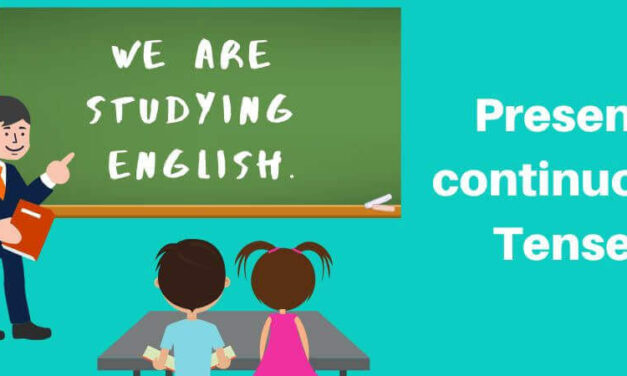
“It’s hard to beat a person who never gives up.” – Babe Ruth The present continuous (also called the present progressive) tense indicates that an action has already started in the past and it’s still going on, and may continue into the future. Let’s look at the image below to understand more. Improve Your English Grammar: Fix the Top 14 Grammar Mistakes In the above picture, the girl started singing in the past and she is still singing, and this action of singing will continue in future. Let’s understand this with another example: You’re in a restaurant. The waiter...
Read More
“The secret of getting ahead is getting started.” – Mark Twain In this post you’ll learn the basic introduction, common greetings and different ways to say goodbye to someone in Spanish. This post can also help you if you’re traveling to a Spanish speaking country and want to impress someone by speaking un poco de español (a little bit of Spanish). There are several ways to introduce ourselves, greet people at different times of the day, and say goodbye. Related: How I Improved My Spanish By Not Obsessing Over Grammar Let’s start with common and useful greetings and basic...
Read More